AI Game Code Generator
Last updated October 21, 2026
Chatforce is a tool where you describe a game in chat and AI agents build it, in 2D or 3D, single-player or multiplayer. Its coder agent writes the game engine code from your plain-language prompt and produces a playable 2D or 3D game at a shareable link. The coder shares context with the artist and the sound engineer, so generated sprites and audio wire into scenes automatically. No engine install. No project files. Your game is ready to play the moment it builds.
What Chatforce’s Coder Writes
Player Controllers
Top-down, platformer, twin-stick, click-to-move. The coder picks the pattern from your brief and writes the input loop, the physics, and the camera.
Enemy & Spawner Logic
Waves, hordes, patrol AI, boss scripts. Tunable difficulty curves, parameterized so re-balance is a chat reply.
Combat Systems
Projectiles, melee swings, dashes, ability cooldowns, hit feedback. State machines that read; combat that feels.
HUD & UI Wiring
Health bars, ammo counters, score, pause menus, game-over screens. Hooked up to the actual game state, not stub values.
Scene Setup
Levels, rooms, transitions, save points. The artist’s backgrounds and tile sets get placed automatically; you describe the layout in words.
Asset Auto-Wiring
The artist’s sprites land with the right names; the sound engineer’s tracks hit the right triggers. The coder picks them up by convention, with no manual import.
How It Works
Describe the game
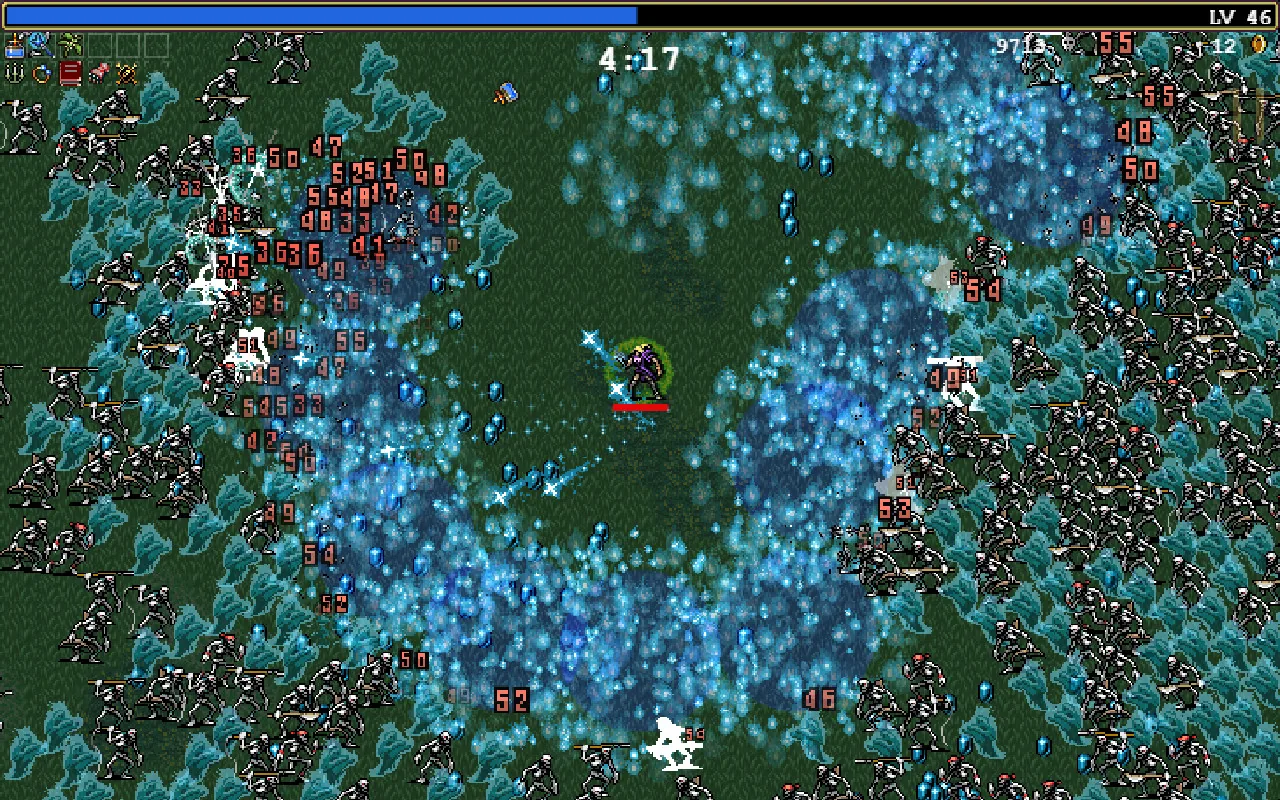
Tell the studio director the genre, the core verb, the win condition. “Top-down twin-stick survivor. Twenty minutes. Boss every two.” The studio director briefs the coder.
The coder sets up the scene
The coder writes the engine scripts: player controller, enemy spawner, projectile system, HUD. The coder picks the right pattern for the genre.
Art and audio wire in automatically
The artist’s sprites and the sound engineer’s tracks land in scene with the right names, sizes, and triggers. No manual import. No asset path fiddling. No bundler.
Iterate in chat
“Make the dash longer.” “Boss spawns at five minutes.” “Player takes one hit to die.” The coder edits the same code; the build is live on every chat reply.
How Chatforce Differs from Generic AI Code Tools for Games
Game-engine aware, not file aware
Cursor and Windsurf operate on files. Bolt and Lovable operate on web apps. The coder operates on a game scene: player, enemies, projectiles, triggers, scene transitions, with patterns chosen specifically for the genre.
Auto-wired assets
Generated sprites land with the right names. Music attaches to the right trigger. SFX plays on the right event. You don’t open an import dialog. The coder picks up the team’s output by convention.
Shareable link, no install
Your game is playable at a shareable link, on desktop or phone. No engine download, no SDK setup, no signed build, no store listing. You ship by sharing a link.
Multi-agent context
The coder shares the same brief as the artist and the sound engineer. The boss code knows the boss sprite. The pickup script knows the pickup chime. Code and content stay in sync.
Chat-driven balance changes
Most tuning lives in named parameters. “Player runs 20% slower.” “Boss has 2x HP.” The coder edits the parameter; the build hot-reloads; you re-play in the same window. You can also tune values yourself, live, in the Variables tab.
Genre-pattern library
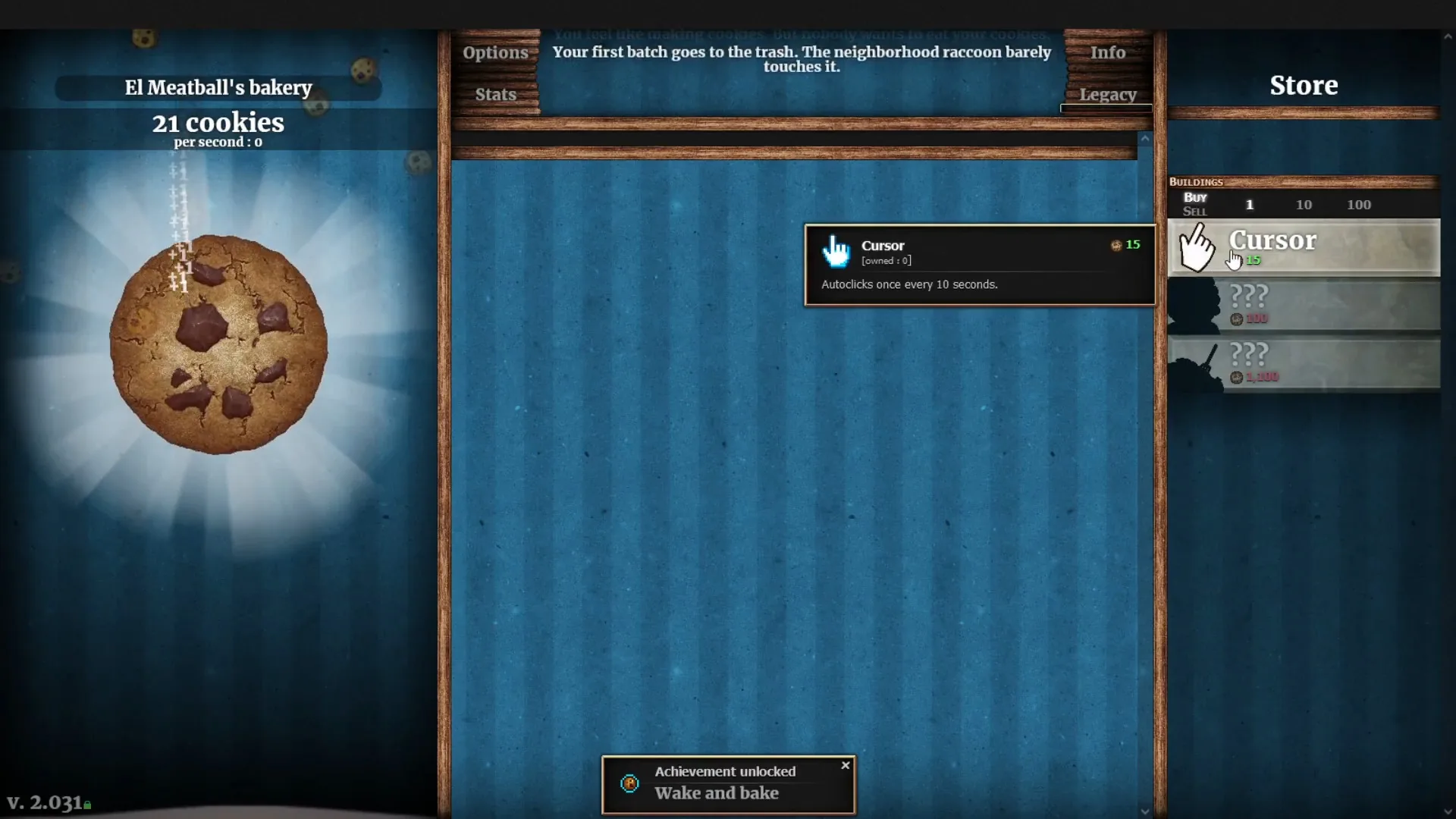
Platformer, top-down, twin-stick, tower defense, idle clicker, horde survivor, visual novel. The coder knows the standard structure for each and reaches for it before writing line one.
Chatforce vs General AI Code Tools
Comparison for game makers. Chatforce is the one built for games.| Feature | Chatforce | Cursor / Windsurf | Bolt / Lovable / v0 | Replit Agent |
|---|
| Built for games | Yes (AI team built for games) | No (general code IDE) | No (web apps) | No (general code) |
|---|
| Underlying model | Tuned for game code | Multi-model (user pick) | Multi-model | Multi-model |
|---|
| Output target | Playable 2D or 3D game at a shareable link | Files in any language | React/Next.js web app | Any project |
|---|
| Sprites & audio in same team | Yes (the artist and the sound engineer) | No (bring your own) | No (bring your own) | No (bring your own) |
|---|
| Asset auto-wiring | Yes, by convention | No | No | No |
|---|
| Genre-pattern library | Yes | No | No | No |
|---|
| Engine install required | No | Yes (editor) | No | Browser IDE |
|---|
| Shareable build URL | Yes | Manual deploy | Yes | Yes |
|---|
| Starting price | From $20/mo. Join the Creator Program for free for build credits. | From $20/mo | Free, from $20/mo | Free, from $20/mo |
|---|
| Best for | Shipping a game at a shareable link | Pro developers in IDE | Web apps from a prompt | General coding in browser |
|---|
Stop comparing. Start building.
Describe a game in one sentence. Watch your AI team build it: sprites, music, code, and a playable result in your browser.
Start buildingFrequently Asked Questions
How good is the game code Chatforce writes?
Code is written by Chatforce’s coder agent. The coder supplies game-engine context: known scene structure, common gameplay patterns, and the artist’s and sound engineer’s outputs. So the code lands in a working build that actually plays well, not as a file dump you have to assemble yourself.
What game engine does Chatforce target?
A web-native Three.js and TypeScript runtime that runs both 2D and 3D games. The engine is intentionally not exposed to the user: there’s no separate editor to learn, no engine version to install, no project file to manage. Your game is playable at a shareable link as soon as it builds.
Do the art and audio wire in automatically?
Yes. The artist generates sprites with transparent backgrounds and the right pixel dimensions; the sound engineer attaches tracks and SFX to triggers. The coder picks them up under known names. No file renaming, no asset import dialog.
Can I edit the generated code?
Through chat. Every file is readable in the studio Code tab, but there is no in-browser code editor. Edits go through chat: tell the coder what to change, and the code updates with the build hot-reloading.
What output do I get?
A playable game at a shareable link, on desktop or phone. No install, no download, no platform store. Send the link; the player plays.
Is the Chatforce game code generator free?
Not by default. Paid plans start at $20/month, with extra credit packs from $5. Join the Creator Program for free to get build credits instead.
How does Chatforce compare to Cursor, Windsurf, Bolt, Lovable, v0, or Replit Agent?
Those are general-purpose AI code tools. They’re excellent for apps and websites, but none are game-engine-aware. Chatforce is built for games: the coder agent shares a brief with the artist and the sound engineer, the build target is a playable game at a shareable link, and the assets are wired by the team rather than imported by you. If you want to build a SaaS, use one of those. If you want to ship a game, use Chatforce.
Do I own the code that Chatforce generates?
Yes. The license for generated game code is held by the user on paid plans. See the Chatpedia license page for the full terms.
Ship Your First Game
Describe a game in one sentence. The coder writes the scene. The artist and the sound engineer wire in their work. You hit play in the same tab.
Start building/icon_text_light_svg.svg)