/icon_text_light_svg.svg)

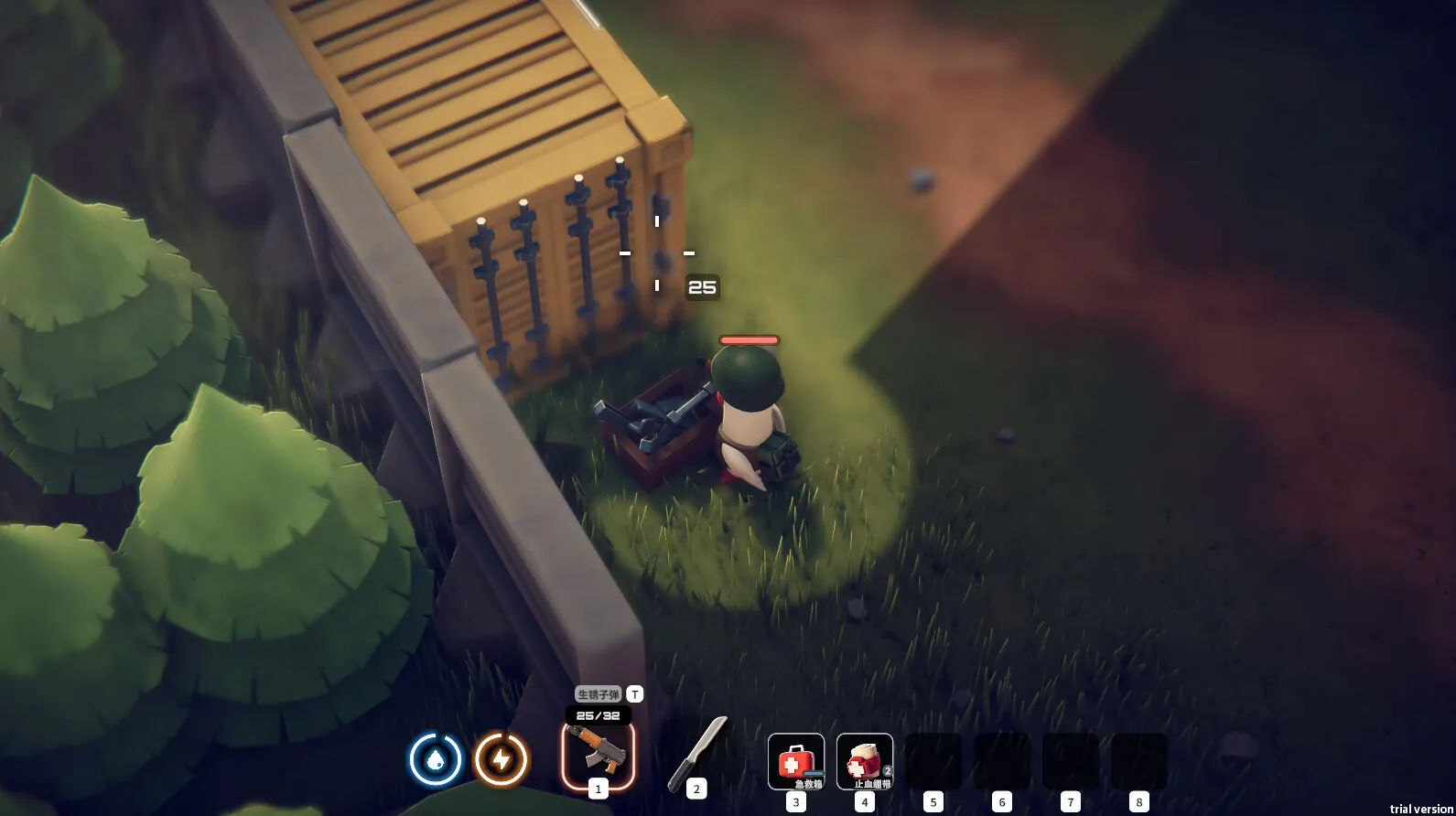
You can make a game inspired by Escape from Duckov with Chatforce: choose 2D or 3D when you create it, describe the game in chat, and play a first version in about 10 to 15 minutes. Chatforce is a tool where you describe a game in chat and AI agents build it, in 2D or 3D, single-player or multiplayer. Describe it to Chatforce like this: start with a top-down raid where the player enters one dangerous area, picks up loot, and decides when to head to the extraction point. Then add a home base where loot turns into upgrades, and tune the risk in chat. Chatforce builds the code, art, and audio and publishes the game at a shareable URL.
Play Escape from Duckov style games made on Chatforce
These games were made and published on Chatforce. Open one to see how another creator turned a similar idea into a browser game.
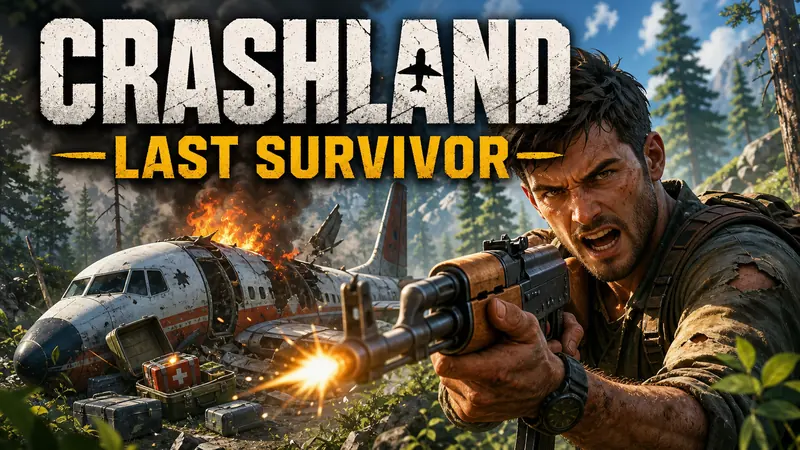 Crashland: Last SurvivorMade with Chatforce
Scavenge a crash site, fight the bots hunting you, and reach the extraction point before time runs out.
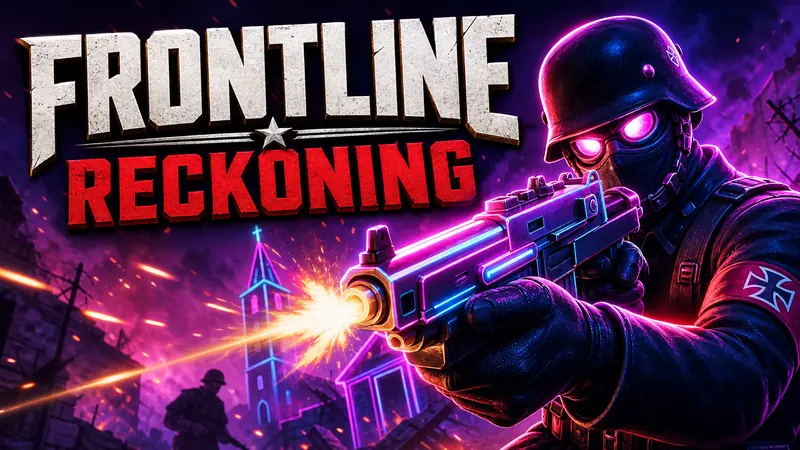 Frontline ReckoningMade with Chatforce
Loot gear, build fortifications, and level up a resistance fighter behind enemy lines.
Make every raid a question of whether to leave
The player enters with a small kit, searches a dangerous place, and weighs each pickup against limited space. A successful extraction turns loot into progress at home; staying longer may bring better finds but gives threats more time to interfere. Build the tension around whether the current haul is worth another detour. Use a compact top-down map with recognizable landmarks, a few routes, readable cover, and an exit whose approach is risky but understandable.
| Design choice | What to decide |
|---|---|
| Raid map | Choose a compact area with landmarks and several routes out. |
| Risk curve | Set what threatens the player and how danger grows. |
| Inventory | Limit carried items so every pickup requires a choice. |
| Extraction | Specify where and how a raid ends successfully. |
| Home base | Pick upgrades that make later trips feel different. |
Connect field loot to useful base decisions
Give loot clear purposes: a bandage restores health, a battery powers a base station, and a rare part can improve the player's pack. Keep inventory slots limited so those objects compete for space. At home, let recovered materials buy a practical upgrade or safer supply. Show what returns after success and what is lost on failure, so the player can connect each outcome to a decision made during the raid. A survival game can use the same pressure of weighing supplies against danger.
Shape the raid, return, and recovery
Pick the view and movement model
Choose 2D when creating a compact top-down extraction game. Chatforce locks the 2D or 3D decision after creation, and a top-down 2D view helps players judge distance to loot, cover, and extraction routes. Describe responsive movement, clear aim direction, and a camera that keeps nearby hazards visible. If your idea depends on navigating a fully spatial 3D environment, choose 3D at the start instead. For a first playable, constrain the map to a few connected areas and avoid asking for an enormous sandbox before the raid loop is proven.
Write the raid's risk and reward rules
Specify how a run begins, what the player carries, and what can be found in the field. Give each loot category a practical purpose, such as healing, crafting a base improvement, or trading for supplies. Set a simple threat pattern: enemies patrol landmarks, react within a readable range, or guard a valuable cache. Tell Chatforce how danger changes over time, if it changes at all. The player should learn why a route is risky and what a successful return provides. Avoid vague instructions like make the raid exciting without explaining its choices.
Make extraction and the base legible
Describe one or more exit points and explain the action required to use them. A short hold or interaction can create a tense final moment, but show progress and allow interruption if danger arrives. Decide which carried items survive a successful return and what happens after defeat. At the base, present a short list of upgrades with their costs and effects, then show how each changes a later trip. Ask for readable inventory slots and clear item descriptions. The goal is to make the player compare options quickly, not manage a large spreadsheet between every outing.
Replay with different priorities
Chatforce typically produces a first playable in 10 to 15 minutes. Run a raid focused on supplies, then try one focused on an upgrade component. Notice whether you can read danger, understand the value of loot, and find the exit under pressure. Tell Chatforce what felt wrong in concrete terms, such as the extraction marker blending into terrain or the bag allowing too many items. Request one change and replay the same route. You can guide the visual tone with art styles, reference images, stylized fonts, or a paint over concept art.
Example prompt: Make an original 2D top-down extraction game set around a flooded roadside market. The player enters with a small pack, searches stalls for medicine, batteries, and repair parts, then chooses whether to reach one of two marked exits. Add a few patrolling scavenger creatures with readable warning behavior and simple cover between landmarks. At a quiet workshop base, let recovered parts buy a larger pack or a map signal. Use original character designs, item names, art, and audio. Make inventory capacity visible and show what is lost if the player fails to return.
Tune pressure by testing the trip home
Test the search and return. Valuable loot should affect choices, and the exit should feel reachable but risky. If players ignore extraction, show the cost of staying. If they leave instantly, clarify optional finds. Replay with empty and full packs after adjustments. A Vampire Survivors style game guide offers another example of building pressure over a run.
Share a finished browser raid
Publish the game and share its URL. Friends can play without an account; you own the work, and published games have no watermark. Chatforce supports online multiplayer in 2D and 3D, up to 8 players per room. Describe how teammates cooperate, share loot, and extract together.
Frequently asked questions
Can I make a direct copy of Escape from Duckov?
Treat it as a reference for the raid, loot, extract, and home-base structure. Build an original game with original names, characters, art, music, and story, including its own map and item designs.
How do I make an extraction shooter in Chatforce?
Popular 2D styles include a top-down overworld. Describe the extraction rules, inventory limits, weapons, and raid progression in your prompt, and the agents build them.
Can friends join a raid?
Chatforce supports online multiplayer in 2D and 3D, with up to 8 players per room. Explain how players cooperate, share loot, and extract together in your concept.
Related pages: Make a top-down RPG with AI · Top-down overworld maker · 2D game maker · Games like Vampire Survivors · Multiplayer game guide